Exploring the complexities of the Cyrillic script is essential for anyone looking to explore the realm of different writing systems. The Russian alphabet, with its unique characters and sounds, presents a fascinating challenge for learners. In this article, we will delve into why mastering the Russian alphabet should be your next goal.
The Significance of the Russian Alphabet in Global Context
Getting Acquainted with the Cyrillic Script
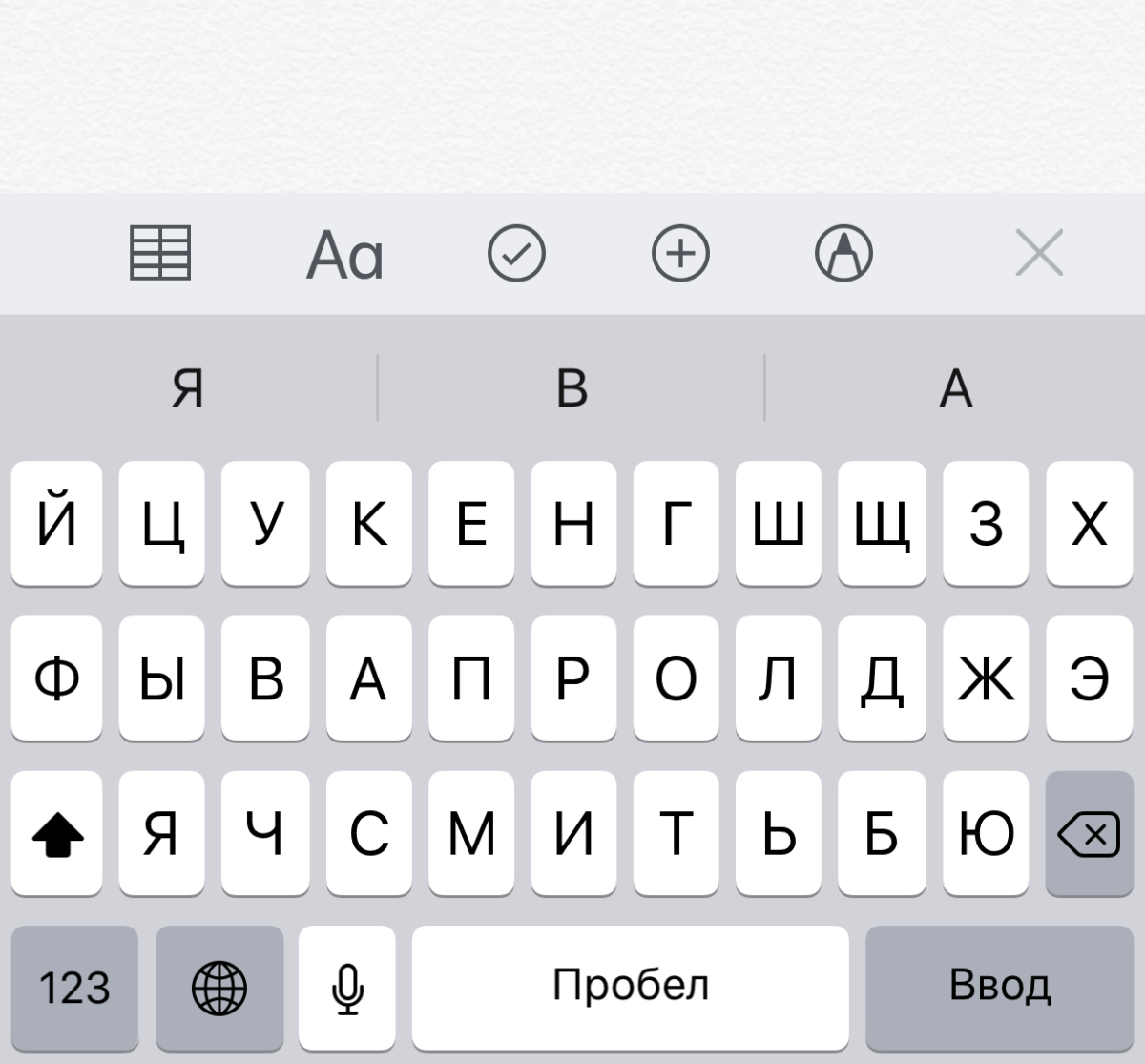
The Russian alphabet consists of 33 letters, each representing a distinct sound. Unlike Latin scripts, which are more familiar to many learners, the Cyrillic script poses unique challenges and rewards. Mastering this script enables you to explore rich cultural histories and literature.
- The first letter is 'А', pronounced like 'A' in 'father'. Next is 'Б', which corresponds to 'B' in English. An important character is 'В', sounding like 'V' as in 'victory'.
Navigating Non-Latin Scripts: Why the Russian Alphabet is Your Next Challenge
Embracing New Languages: A Journey Through History and Culture
The ability to read and write in the Russian language or other languages using Cyrillic script provides access to a wealth of literature. From classic novels by Tolstoy and Dostoevsky to contemporary works, understanding this alphabet allows you to appreciate these texts authentically. Additionally, learning a new script encourages cognitive flexibility and enhances overall language acquisition skills.
Navigating Hurdles: Learning Non-Latin Alphabets
While engaging with non-Latin scripts can be rewarding, it can also pose various challenges. The unfamiliar shapes of Cyrillic letters might initially overwhelm those used to Latin alphabets. Furthermore, pronunciation differs significantly from what one might expect based on their native language. However, embracing Go here these challenges is part of an enriching learning experience that fosters resilience and adaptability.
- Learning new phonemes that do not exist in your native language. Adapting to different grammatical structures inherent in Slavic languages. Understanding cultural contexts that influence language use.
Frequently Asked Questions
- How does mastering the Cyrillic script differ from Latin alphabets? Acquiring unfamiliar characters necessitates rethinking how you approach reading. Is it necessary to learn pronunciation while studying the alphabet? Yes! Proper pronunciation is crucial for effective communication with speakers. What resources are available for learning the Russian alphabet? Numerous online platforms offer interactive lessons on reading and writing.
In conclusion, mastering the Russian alphabet presents an invaluable skill set for both personal growth and professional development. By committing time and effort towards this endeavor, you will enrich your linguistic portfolio while enhancing your global perspective. Embrace this challenge! Whether embarking on travel adventures or pursuing international career pathways, familiarity with non-Latin scripts offers unparalleled benefits. So take that leap! Your journey into the world of non-Latin scripts begins now!