Making the leap from QWERTY to ЙЦУКЕН offers a unique opportunity to expand your typing skills and engage with the Russian language.
Why Keyboard Layouts Matter
Exploring Different Keyboard Layouts
Keyboard layouts are designed to optimize typing efficiency based on language and user habits. The QWERTY layout, widely used in English-speaking countries, differs significantly from the ЙЦУКЕН layout used for Russian.
- Adapting to a new keyboard can feel daunting but understanding its design will aid in making the process smoother. The ЙЦУКЕН layout is designed to facilitate typing in Russian, offering unique key placements that correspond with Cyrillic characters.
From QWERTY to ЙЦУКЕН: Transitioning to a Russian Keyboard with Ease
Step-by-Step Guide for Transitioning
With dedication and practice, moving from one keyboard layout to another becomes manageable and even enjoyable. Here’s how you can start your journey towards using the ЙЦУКЕН keyboard effectively.
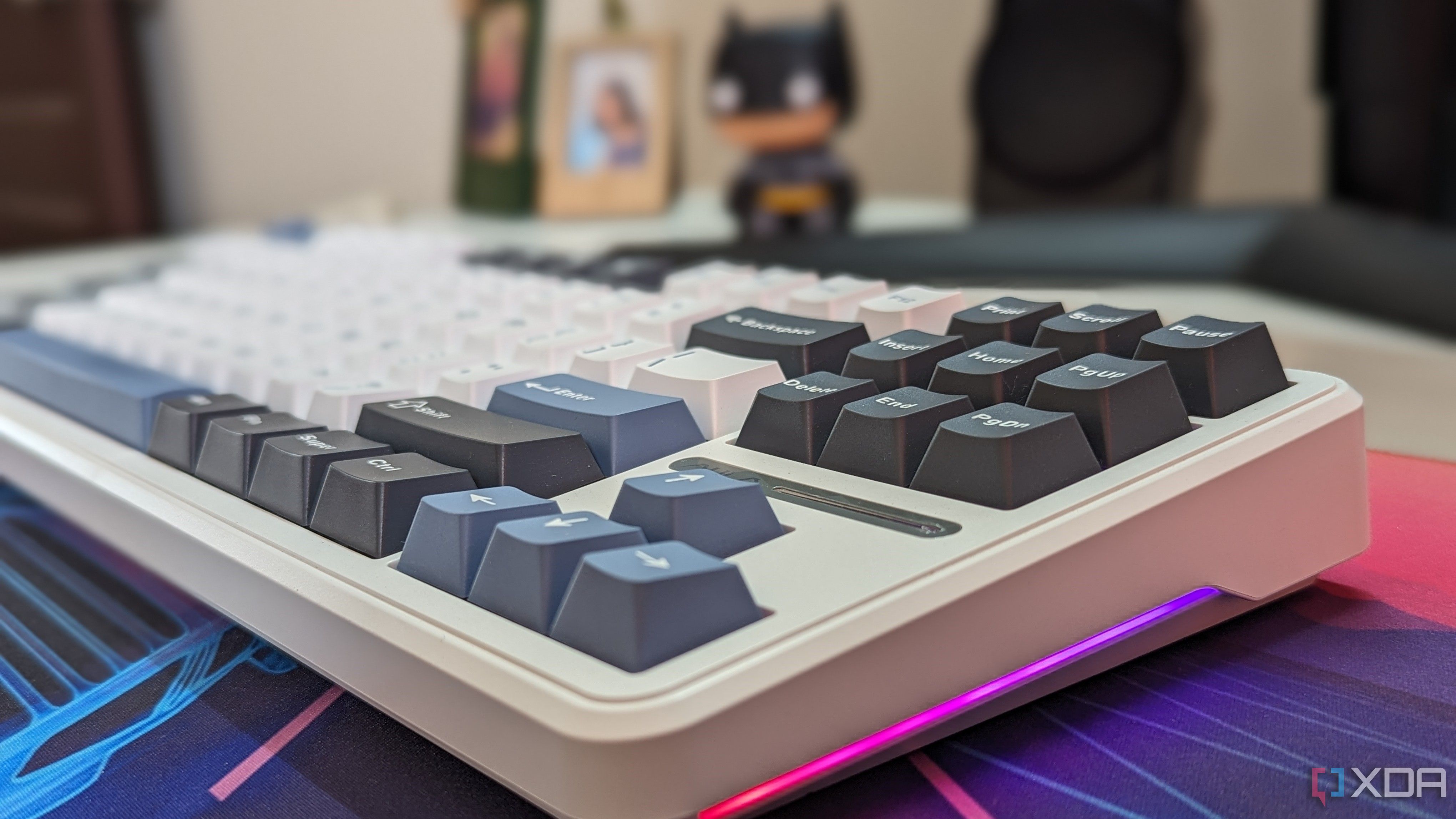
- Learn the basic differences between both layouts; understanding what keys represent which characters is essential. Utilize applications that focus specifically on teaching users how to type in different languages using various keyboard layouts. This interactive approach often yields better results.
Resources for Learning ЙЦУКЕН
To support your transition, various resources exist that cater specifically to individuals interested in mastering the ЙЦУКЕН layout.
- Online Courses: Consider enrolling in online typing courses focused on the ЙЦУКЕН layout that provide structured lessons and exercises. Typing Software: Software dedicated to learning new keyboard layouts can enhance your practice sessions.
Common Challenges When Switching Layouts
While transitioning might bring excitement, it also comes with its set of challenges that learners need to be aware of.
- Mental Block: You may experience frustration as muscle memory built around QWERTY takes time to adjust when learning йцукен. Speed Reduction: Expect some initial slowdowns in speed as you adapt; keep practicing consistently for improvement over time.
Tips for Effective Learning
tools for Russian typingHere are several effective strategies that can facilitate your learning process:
- Set Realistic Goals: Establish achievable milestones throughout your learning journey; small victories lead up to greater success. Stay Consistent: Dedicate time each day specifically towards practicing—the consistency will pay off significantly as you advance through stages of mastery.
Frequently Asked Questions
- What is the main difference between QWERTY and йцукен? The primary difference lies in their arrangement of letters suited for their respective languages; while QWERTY caters primarily towards Latin characters, йцукен contains Cyrillic letters optimized for Russian use.